



Discovering Vernal Equinox Day | March 2026 Japan Guide

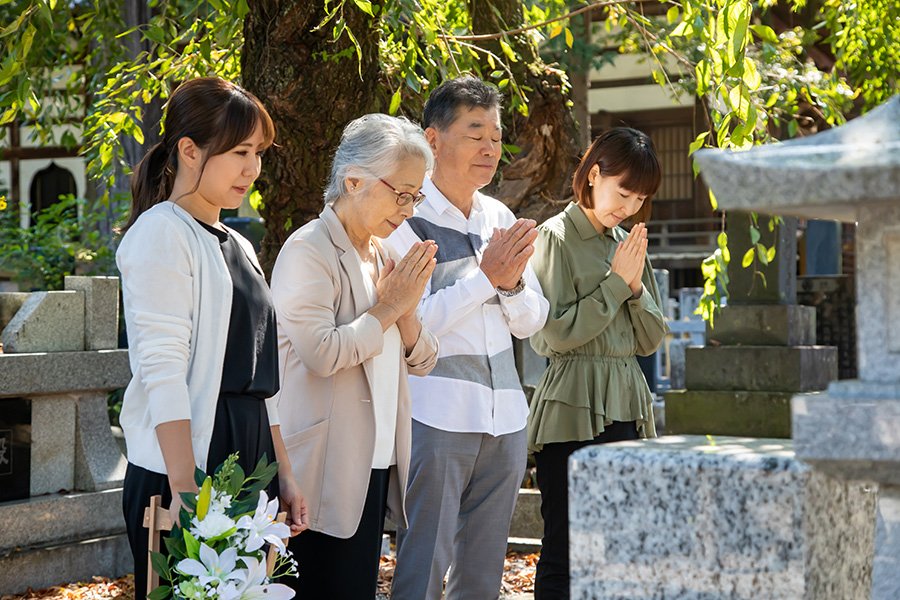
Photo Credit: Web-Japan.org (family offering prayers to their loved ones on the cemetery)

If you’re planning a spring trip to Japan, one cultural event you shouldn’t overlook is Vernal Equinox Day (春分の日 / Shunbun no Hi). Celebrated every March, this national holiday beautifully reflects Japan’s deep connection with nature, seasons, and ancestral traditions.

In this 2026 Japan guide, we’ll walk you through what it means, how locals celebrate, and the best ways to experience it during your Tokyo tour.


What is Vernal Equinox Day?

Vernal Equinox Day marks the moment when day and night are nearly equal in length, signaling the official arrival of spring. In Japan, it’s not just a seasonal milestone—it’s a day for reflection, gratitude, and honoring ancestors.

In 2026, Vernal Equinox Day falls on March 20 (Friday), making it a perfect opportunity for both locals and travelers to enjoy a long weekend.


Cultural Significance in Japan

The holiday has roots in both Shinto and Buddhism traditions. While it originally began as an imperial ritual, today it is widely observed as a time to:

  • Visit family graves

  • Offer prayers and flowers

  • Reflect on life and nature

  • Spend time with loved ones

It is also part of a broader Buddhist observance called Ohigan, a week-long period centered around the equinox.


How Locals Celebrate

During this time, many Japanese families return to their hometowns to pay respects to their ancestors. You may notice:

  • Cemeteries being cleaned and decorated with fresh flowers

  • Incense offerings and quiet prayers

  • Families gathering for simple meals

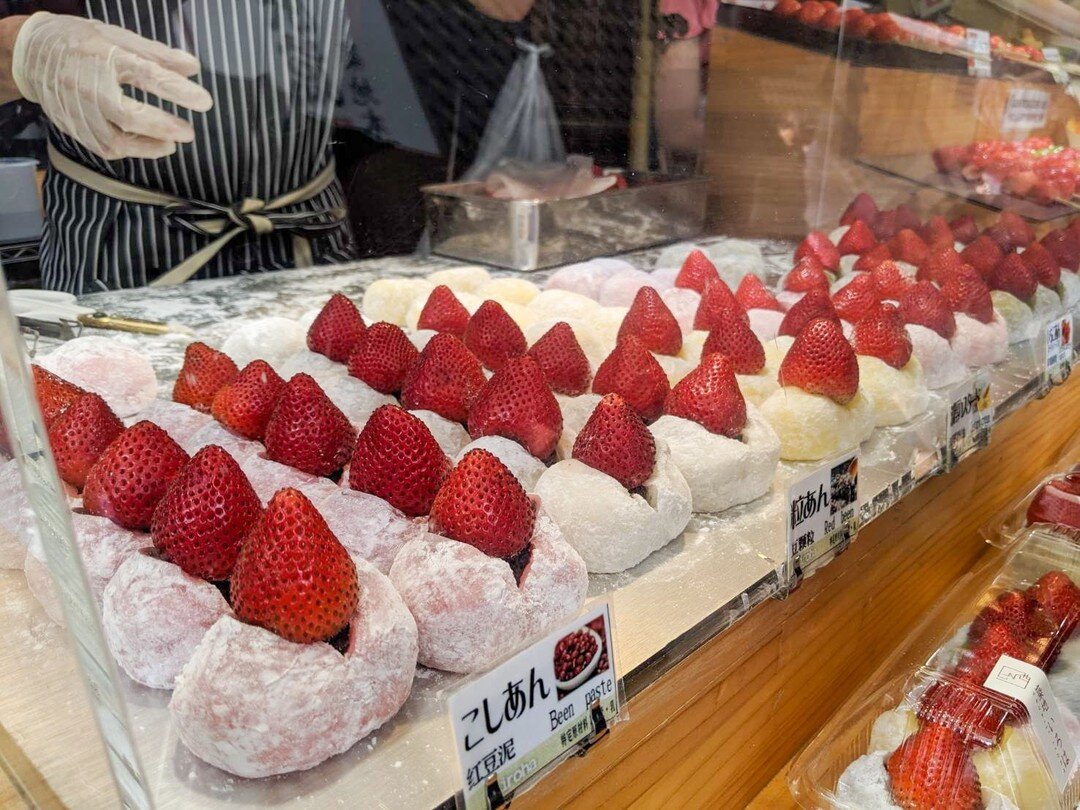
A traditional food associated with this season is Botamochi—sweet rice balls coated with red bean paste, symbolizing the arrival of spring.


What Travelers Can Experience

Even as a visitor, you can respectfully experience the beauty of this holiday:

1. Enjoy Early Cherry Blossoms

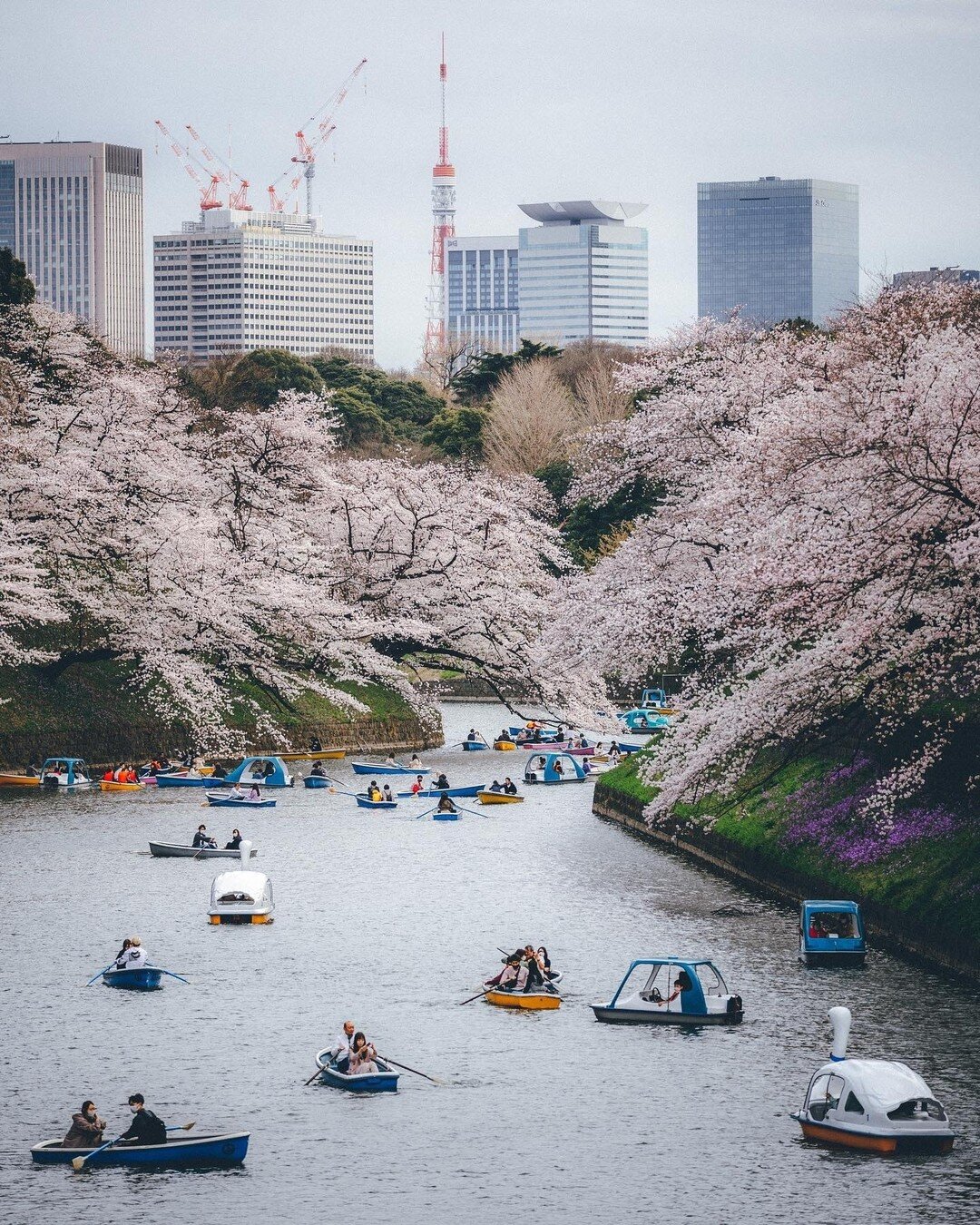
Depending on the weather, Cherry Blossoms (sakura) may begin to bloom around this time, especially in warmer areas of Tokyo.

Top viewing spots:

  • Ueno Park

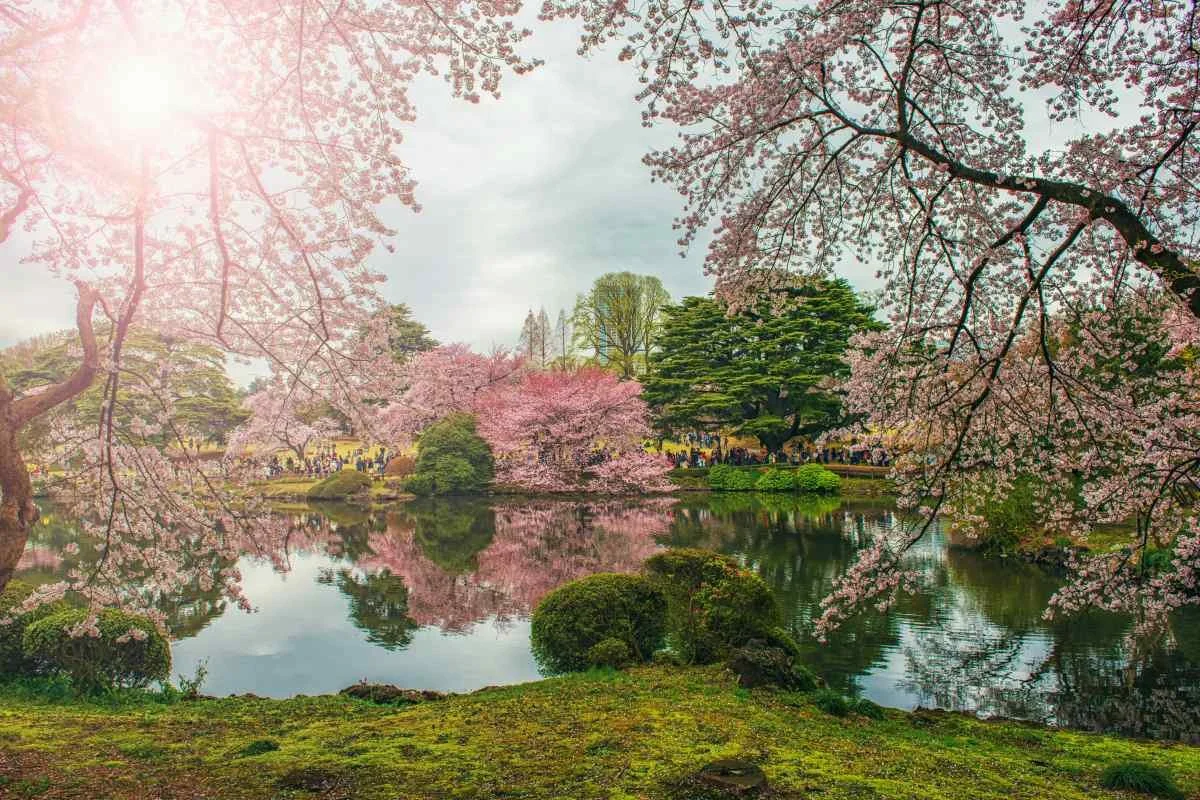
  • Shinjuku Gyoen

  • Chidorigafuchi

2. Visit Peaceful Shrines & Temples

Many locals visit spiritual sites during this period, making it a meaningful time to explore places like:

  • Meiji Shrine

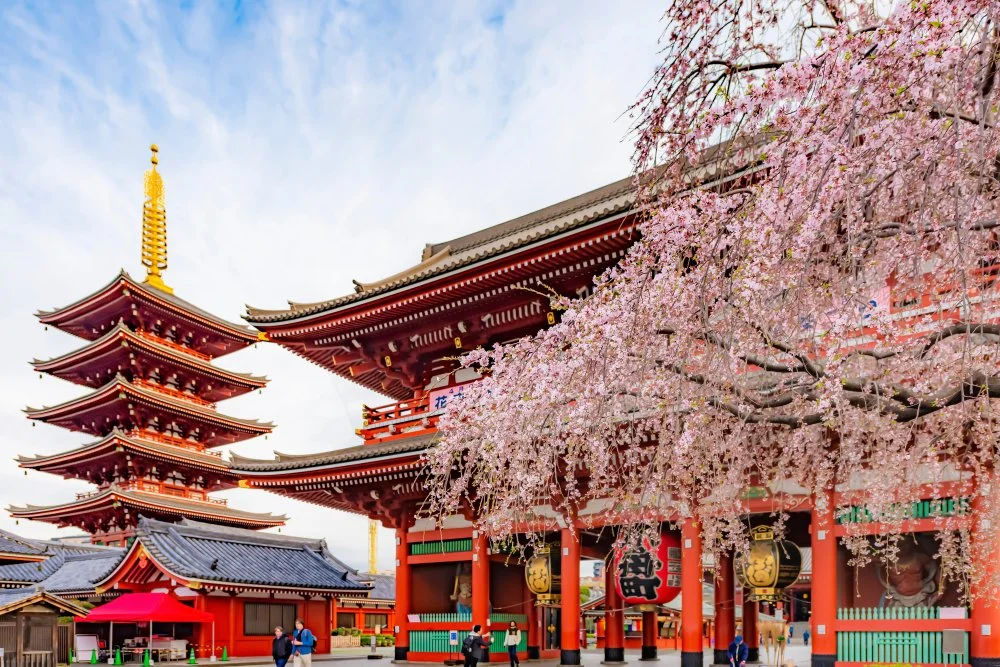
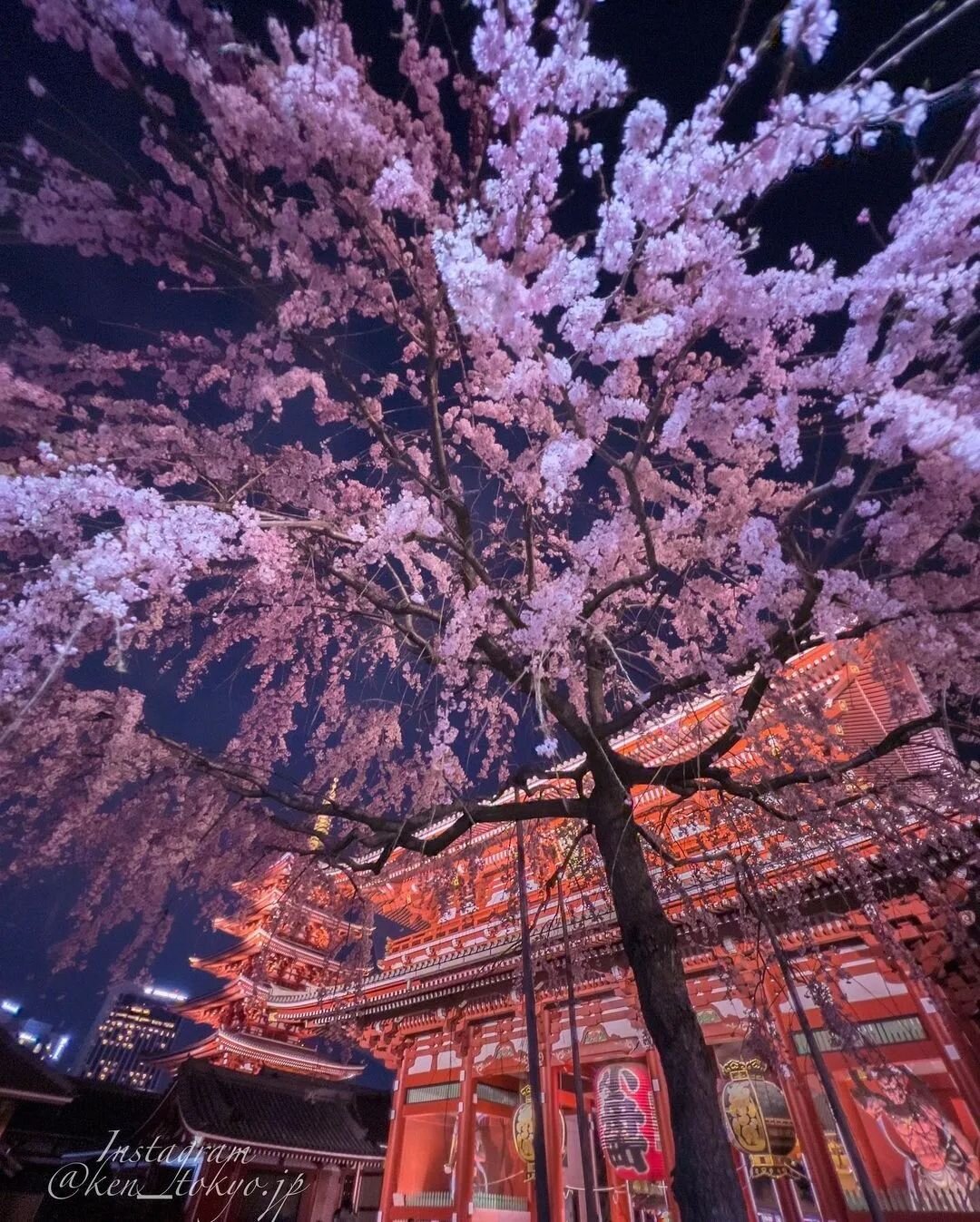
  • Senso-ji Temple

You’ll notice a calm, reflective atmosphere—perfect for a deeper cultural experience.

3. Try Seasonal Japanese Sweets

Spring treats begin appearing in shops and markets. Don’t miss:

  • Botamochi (spring version of ohagi)

  • Sakura-flavored desserts

  • Limited-edition seasonal snacks


Whether you’re strolling under early cherry blossoms or quietly observing traditions at a shrine, Vernal Equinox Day in Japan offers a unique and meaningful travel experience.

If you're planning your Tokyo tour in March 2026, this holiday is the perfect way to connect with the heart of Japanese culture—where nature, family, and spirituality come together.


Connect with us!
The History of Sakura in Japan | March 2026 Tokyo Guide

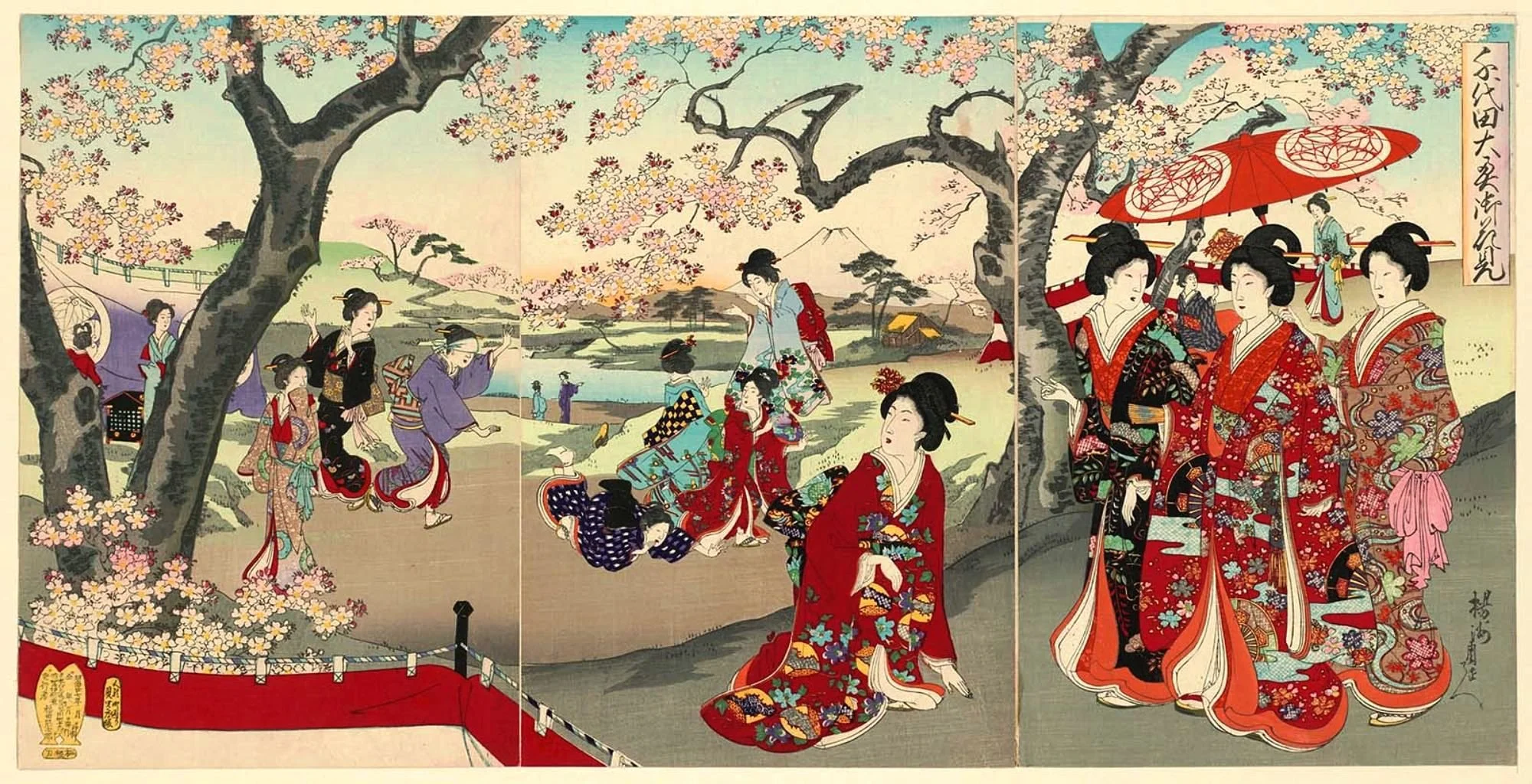
Photo Credit: Savvy Tokyo (Cberry Blossom Viewing in old age)

Every spring, Japan is covered in soft pink and white petals as sakura (cherry blossoms) bloom across the country. These beautiful flowers are not just a seasonal attraction—they hold deep historical and cultural meaning in Japan and have been celebrated for over a thousand years. For many visitors exploring the country with a Tokyo guide, understanding the story behind sakura makes the experience of seeing the blossoms even more meaningful.


Early Origins of Sakura Appreciation

The tradition of flower viewing began during the Nara Period (710–794) when Japanese nobles admired plum blossoms (ume), influenced by Chinese culture. By the Heian Period (794–1185), cherry blossoms became the symbol of spring. The imperial court held gatherings under the trees to enjoy food, drink sake, and write poetry. One early recorded hanami event was hosted by Emperor Saga in 812 in Kyoto.


The Spread of Hanami

Hanami, meaning “flower viewing,” first began among aristocrats before spreading to the samurai class and eventually the general public. During the Edo Period (1603–1868), the shogunate—especially Tokugawa Yoshimune—planted many cherry trees in public spaces, making hanami a popular nationwide tradition.


The Meaning of Sakura

Cherry blossoms are deeply symbolic in Japanese culture. Because sakura bloom beautifully but last only about one to two weeks, they represent the transience of life. This idea connects to the Japanese aesthetic philosophy of mono no aware, which reflects an appreciation for the beauty and sadness of things that are temporary.

Sakura therefore symbolize:

  • The fleeting nature of life

  • Renewal and fresh beginnings

  • The importance of appreciating the present moment


Sakura in Modern Japan

Today, cherry blossom season is one of the most anticipated times of the year in Japan. Weather agencies release sakura forecasts, predicting when the blossoms will bloom across different regions so people can plan their hanami gatherings.

Visitors and locals celebrate by:

  • Having picnics under blooming cherry trees

  • Visiting famous sakura viewing spots

  • Attending spring festivals

  • Enjoying nighttime illuminations called yozakura

From ancient imperial poetry gatherings to modern park picnics, sakura continue to connect Japan’s past with the present.


Experiencing Sakura in Japan

Seeing cherry blossoms in Japan is a truly unforgettable experience. In Tokyo, some of the best Tokyo things to do during spring include strolling through historic gardens, relaxing in city parks, and walking along rivers lined with beautiful sakura trees.

Exploring these spots with a Tokyo guide can make the experience even more meaningful, as you learn the history and traditions behind hanami. For many travelers, witnessing sakura is not just about the scenery—it’s about experiencing a cultural tradition that has been cherished for centuries.


Experience Sakura with a Private Tour Guide!

Connect with us!

Discover Key Dates in March 2026 | Japan Tour

Photo Credit: Arigato Travel (Spring season in Sensoji Temple)

March is an exciting month in Japan, marking the transition from winter to spring. From romantic gestures to cultural observances and stunning natural beauty, here’s what to look out for if you’re planning your Japan tour in March 2026.


1. White Day – March 14, Saturday

While Valentine’s Day is celebrated in February in Japan, with women giving gifts to men, White Day on March 14 is when men return the favor. It’s a charming Japanese tradition where men give gifts such as chocolates, sweets, or flowers to the women in their lives. If you’re in Tokyo or other major cities, you’ll notice stores beautifully decorated and filled with gift sets. For travelers, it’s a unique opportunity to witness a fun cultural tradition that’s all about giving and appreciation.

Tips for visitors:

  • Watch for special White Day displays in department stores like Mitsukoshi (Tokyo).

  • Cafés and bakeries often create limited edition sweets for the occasion.

Photo Credit: BBC

2. Vernal Equinox Day (Shunbun no Hi) – March 20, Friday

March 20 marks Shunbun no Hi, a national holiday celebrating the spring equinox. It’s a day for reflection, family, and honoring ancestors by visiting family graves. Many Japanese people also use this time to enjoy the arrival of spring, making it a quieter yet meaningful holiday.

Tips for travelers:

  • Temples and shrines may hold special services. Visiting can give insight into Japanese customs around family and nature.

  • Since it’s a public holiday, expect some train stations and shops to be busier than usual.

Photo credit: The Japan Times

3. Cherry Blossom Season (Hanami) – Late March 2026

March is synonymous with cherry blossoms, or sakura, in Japan. In 2026, the peak bloom in Tokyo is expected around March 27, with the season beginning around March 20. This is the perfect time for hanami (flower viewing) picnics in parks, strolling under blooming trees, and capturing the iconic pink landscapes.

3 spots in Tokyo for hanami:

  • Ueno Park: A popular spot for locals and tourists, lined with hundreds of cherry trees.

  • Shinjuku Gyoen: A spacious garden offering a serene hanami experience.

  • Sumida Park: Ideal for riverside cherry blossom views and photography.

Tips for visitors:

  • Arrive early in the day or weekday mornings to avoid crowds.

  • Try seasonal treats like sakura mochi or cherry blossom flavored drinks sold around parks.


March 2026 in Japan is the perfect blend of culture, celebration, and natural beauty. Whether you’re enjoying White Day surprises, reflecting during the vernal equinox, or soaking in the breathtaking cherry blossoms, there are plenty of things to do in Tokyo this spring!


Experience Tokyo your way! Book our Private Customised Tours now and explore the city’s culture, seasonal events, and hidden gems with a local guide. Secure your spot today!

Connect with us!

Discovering Akagi Shrine | February 2026 Guided Tours of Japan

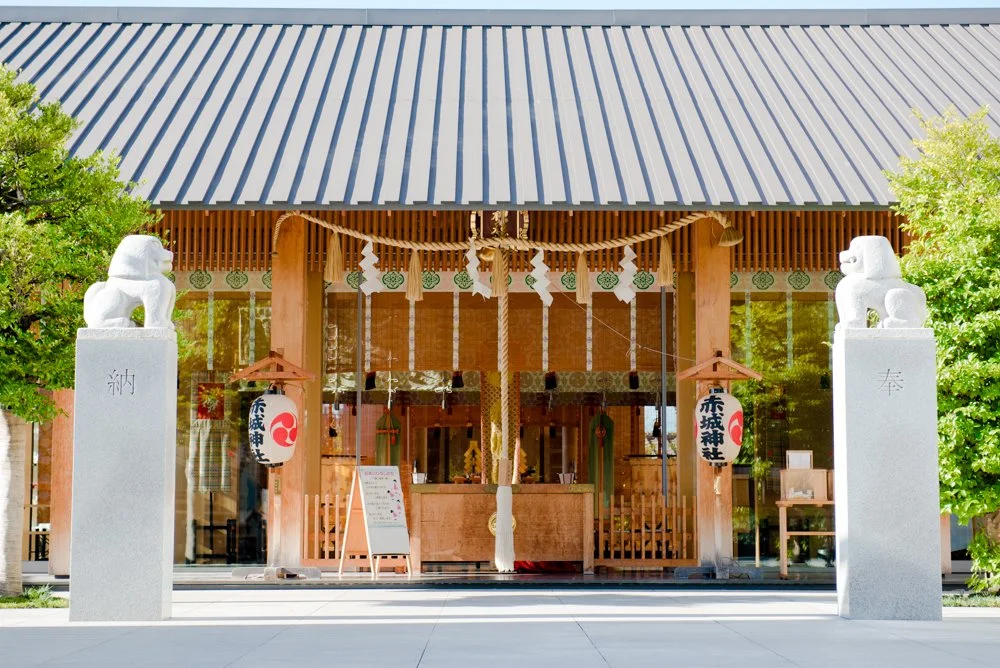
Photo Credit: Time Out

Tucked into the charming streets of Kagurazaka, Akagi Shrine is a peaceful blend of tradition and modern design. Originally founded in 1300 and beautifully redesigned by architect Kengo Kuma, the shrine stands out for its clean wooden lines and light-filled main hall — a contemporary space that still feels deeply sacred. Visiting as part of guided tours in Tokyo allows you to appreciate not only its architecture, but also the cultural stories and local traditions that make this shrine quietly special.

Dedicated to a deity associated with protection and relationships, the shrine remains an important spiritual place for locals. Unlike Tokyo’s larger, busier shrines, Akagi Shrine offers a quieter, more intimate atmosphere — perfect for a reflective pause.

Part of its charm lies in its surroundings. Kagurazaka’s narrow alleys and historic character, once linked to a thriving geisha district, add depth to the visit. When considering in writing your “Tokyo things to do”, exploring both the shrine and the neighborhood offers something uniquely intimate — from strolling hidden stone pathways and discovering traditional eateries to experiencing a side of the city where old and new exist in quiet harmony.

Address: 1-10 Akagi Motomachi, Shinjuku City, Tokyo 162-0817, Japan


Book one of our Private Customised Tours and enjoy a personalized journey — with a special stop at the beautiful Agaki Shrine included along the way!

Connect with us!

Understanding Emperor’s Birthday | February 2026 Japan tour

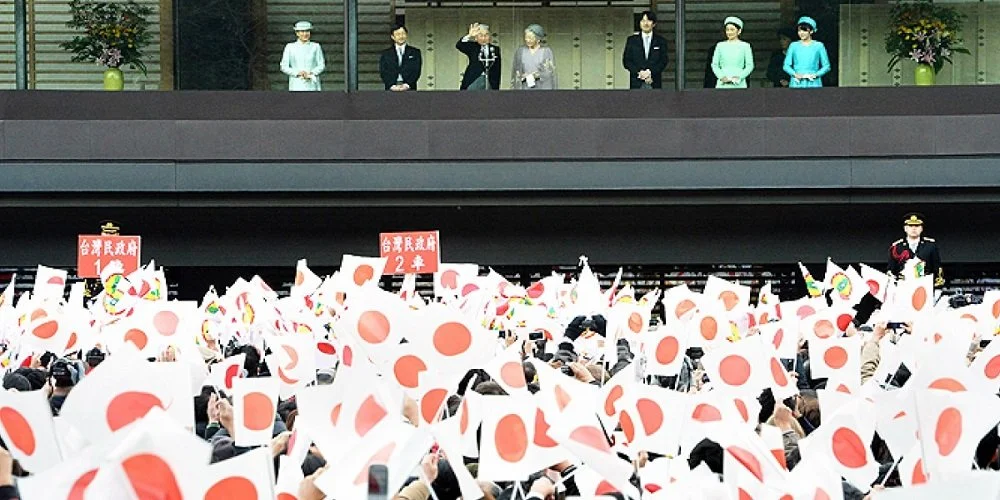
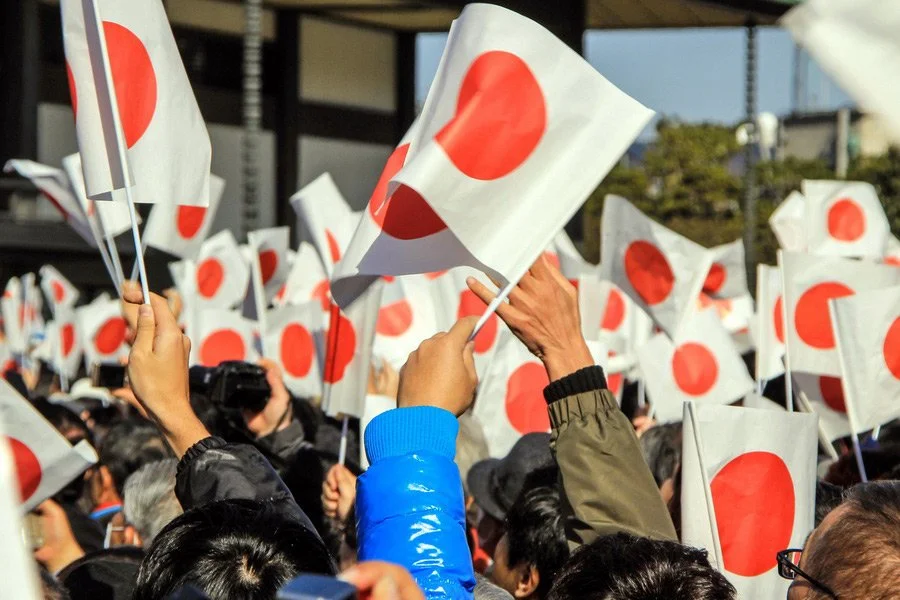
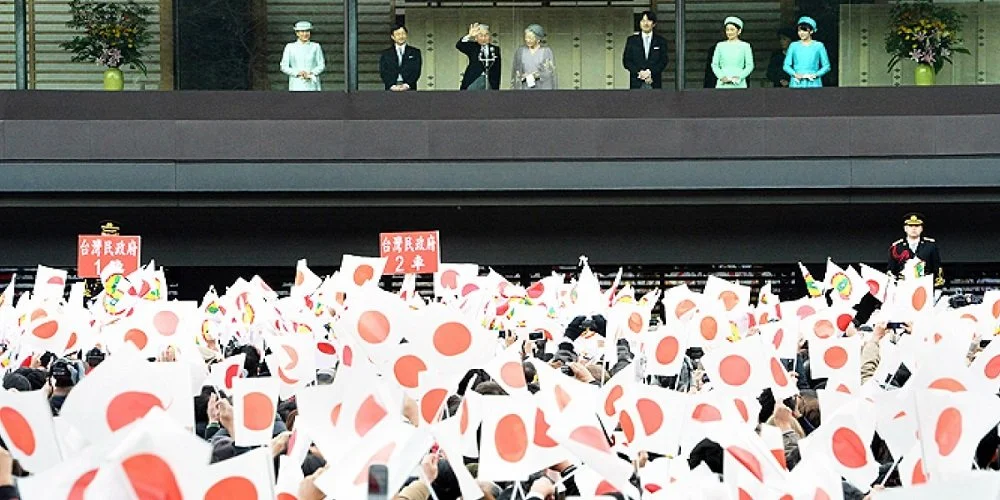
Photo Credit: Holidays Calendar (A sea of Japanese flags waves as the Imperial Family greets the public from the balcony of the Imperial Palace in Tokyo)

If you are planning a Japan tour in February 2026, one important public holiday to know is the Emperor’s Birthday. Celebrated every year on February 23, this national holiday honors the birthday of Emperor Naruhito, the current Emperor of Japan.

In 2026, February 23 falls on a Monday, making it a long weekend for many locals. For travelers, it is a unique opportunity to experience modern Japanese tradition and culture.


What Is the Emperor’s Birthday?

The Emperor’s Birthday is a national holiday that celebrates the birth of Japan’s reigning Emperor. Since Emperor Naruhito was born on February 23, the holiday is held on this date each year.

The Emperor serves as the symbol of the State and the unity of the Japanese people. While he does not hold political power, he plays an important ceremonial and cultural role in the country.

What Happens on This Day?

The main celebration takes place in Tokyo at the Imperial Palace.

On this day:

  • The inner palace grounds are opened to the public.

  • The Emperor and members of the Imperial Family appear on the balcony.

  • They greet the crowd and give a short speech.

  • Visitors wave small Japanese flags to show respect.

This is one of the few days each year when the public can enter the inner grounds of the Imperial Palace, making it a rare and memorable experience during your February 2026 Japan tour.

What to Expect as a Tourist

If you are visiting Japan during this holiday, here is what you should know:

1. Public Holiday Schedule

  • Government offices are closed.

  • Banks and some local businesses may close.

  • Shopping areas, restaurants, and tourist attractions usually remain open.

2. Transportation

Public transport operates on a holiday schedule. Trains may be slightly busier, especially around central Tokyo.

3. Atmosphere

The mood is respectful and calm. It is not a loud festival, but rather a meaningful national celebration.

Why Include This in Your List of Tokyo Things To Do?

Adding the Emperor’s Birthday to your allows you to:

  • Witness a special national event.

  • Learn about Japan’s modern monarchy.

  • Visit the Imperial Palace grounds.

  • Experience local culture beyond typical tourist attractions.

February is also winter in Japan, offering cool weather and fewer crowds compared to spring cherry blossom season. It is a great time for sightseeing in Tokyo and other major cities.


Understanding the Emperor’s Birthday helps you see another side of Japan — one rooted in respect, tradition, and national identity. If your travel dates fall on February 23, 2026, consider making this meaningful public holiday part of your Japan tour experience.


Connect with us!
Discover Udon this February 2026 | Food Tour Tokyo

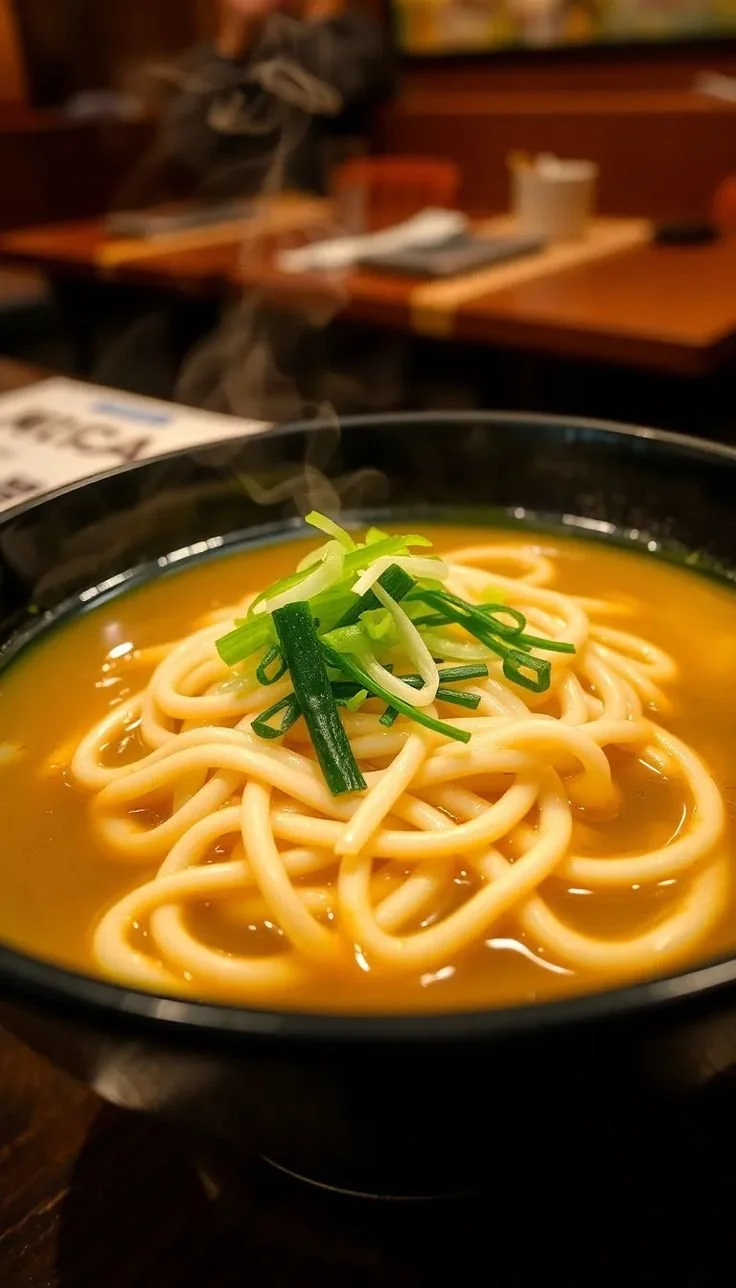
Photo Credit: Pinterest ( A wam bowl of Udon Noodle)

February is a wonderful time to do a Food Tour Tokyo, and there’s no better comfort dish during the cooler winter days than udon. Known for its thick, chewy noodles and light yet deeply flavorful broth, udon is a staple of Japanese cuisine that locals enjoy year-round—but it feels especially satisfying in winter.

Udon is one of Japan’s oldest and most widely enjoyed noodle dishes, with a history that dates back several centuries. Made from wheat flour, water, and salt, udon reflects the simplicity and practicality of Japanese home cooking. Over time, it evolved from a basic meal into a cultural staple enjoyed by people of all ages across the country.

Across Japan, udon takes on many forms. Some regions favor a light, clear broth, while others prefer a richer, soy-based flavor. Popular toppings include crispy tempura, tender beef, tofu, and seasonal vegetables, allowing each bowl to reflect local tastes and traditions.

Udon is also deeply connected to everyday Japanese life. It is commonly eaten for quick lunches, family meals, and even celebrations, as long noodles symbolize longevity and good fortune. Because it is easy to digest, udon is often served to children, the elderly, or anyone needing a comforting, nourishing meal.

If you’re visiting Tokyo this February 2026, don’t miss the opportunity to warm up with a bowl of authentic udon and experience Japan’s comfort food at its finest with a tokyo guide or by yourself!


Book our Flavours of Tokyo: A Journey Through Time and get a taste of Udon on one of the stops!

Connect with us!

a Guide to February 2026 Holiday| Guided Tours of Japan

Photo credit: Advantour (A view of Tokyo with Tokyo Tower and Mount fuji in the background)

February is a magical time to experience Japan. Winter is still in the air, plum blossoms begin to bloom, and meaningful holidays offer travelers a deeper look into Japanese culture and traditions. With fewer crowds than spring and plenty of seasonal events, February 2026 is an excellent month for guided tours of Japan, combining history, culture, and local experiences.

Here’s your complete guide to February 2026 holidays in Japan and how to enjoy them through guided travel.


Setsubun (Observance)

Tuesday, February 3, 2026

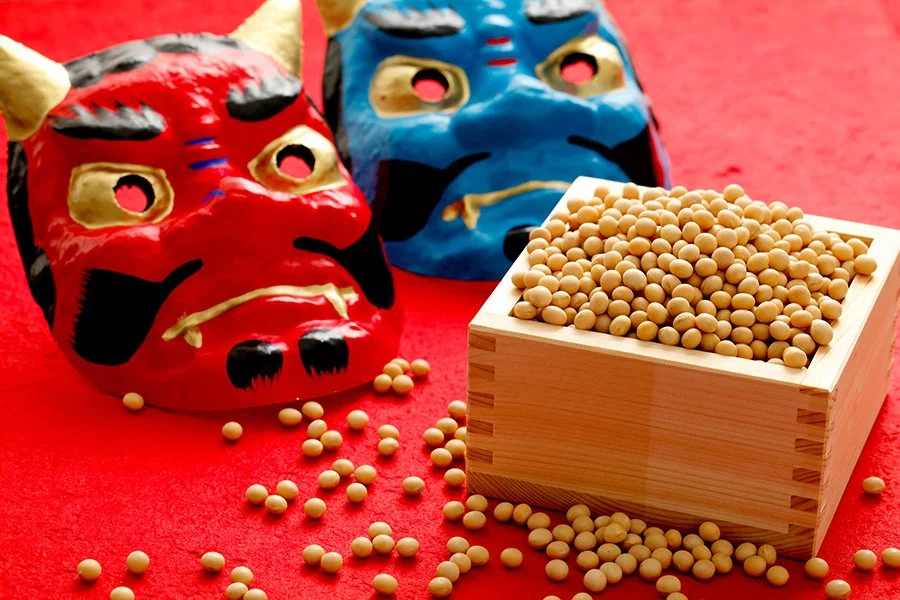
Setsubun marks the transition from winter to spring in Japan’s traditional calendar. On this day, people perform mamemaki—throwing roasted soybeans to drive away bad luck and welcome good fortune.

Why it’s special for travelers:

  • Temples and shrines across Japan host lively bean-throwing ceremonies

  • Visitors can participate and learn the symbolism behind the ritual

  • Guided tours provide cultural context you won’t get from just watching

Best places to experience Setsubun: famous temples in Tokyo, Kyoto, and Osaka

Photo Credit: Web-Japan.org

National Foundation Day (Public Holiday)

Wednesday, February 11, 2026

Known as Kenkoku Kinen no Hi, National Foundation Day commemorates the legendary founding of Japan. It’s a reflective national holiday centered on history and identity.

What to expect:

  • Government offices are closed, but most attractions remain open

  • Flags are displayed across the country

  • Shrines and historical landmarks are especially meaningful to visit

Guided history tours on this day are ideal for travelers interested in Japan’s origins, mythology, and imperial history.

Photo Credit: Advantour

Valentine’s Day in Japan

Saturday, February 14, 2026

While not a public holiday, Valentine’s Day is widely celebrated in Japan with a unique twist. Traditionally, women give chocolates to partners, friends, and colleagues—ranging from romantic gifts to friendly gestures.

Travel highlights:

  • Department stores feature beautifully packaged chocolates

  • Seasonal sweets are perfect for food-focused guided tours

  • A fun cultural insight for visitors exploring Japan’s modern traditions

A guided food tour in February often includes seasonal desserts and Valentine-themed treats.

Photo credit: Tokyo Weekender

The Emperor’s Birthday (Public Holiday)

Monday, February 23, 2026

One of Japan’s most important national holidays, the Emperor’s Birthday celebrates the birthday of Emperor Naruhito and creates a three-day weekend in 2026.

Why this is a must-see:

  • The Imperial Palace in Tokyo opens to the public, a rare opportunity

  • Visitors may see members of the Imperial Family appear on the palace balcony

  • A perfect day for guided city tours focused on Tokyo’s political and imperial heritage

Photo credit: Holidays Calendar


February 2026 is a hidden gem for exploring Japan. With meaningful holidays, seasonal traditions, and comfortable travel conditions, it’s the perfect time to join visit Japan that go beyond sightseeing and into cultural discovery.

If you’re planning a trip, February offers the chance to experience Japan as locals do—through tradition, history, and seasonal beauty.


Book our Private Customised Tours!

Discover White Plum Blossoms | January 2025 Japan Tour

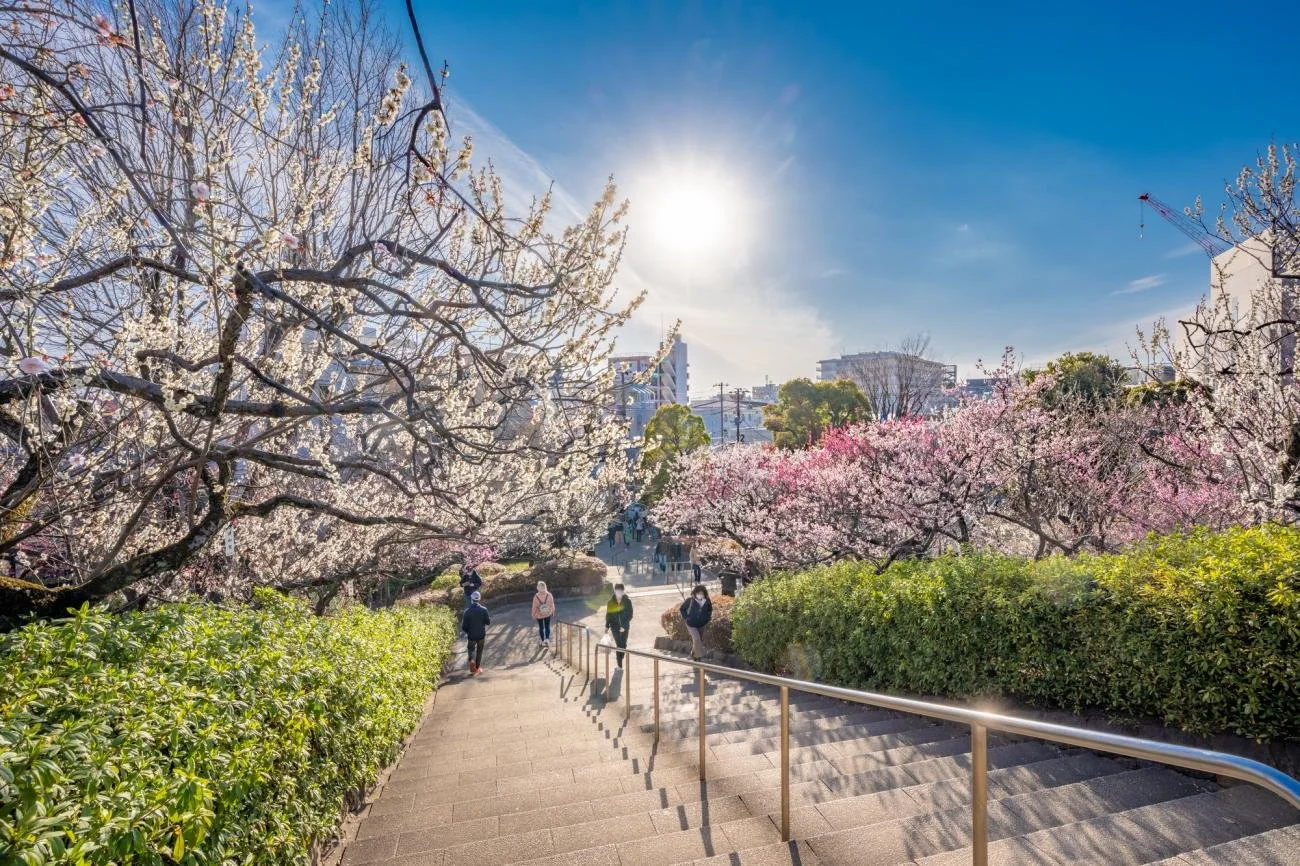
Photo credit: Rakuten Travel (White plum blossoms quietly welcoming spring—soft petals, crisp air, and a peaceful walk under the winter sun)

White plum blossoms, known as ume in Japan, are among the earliest flowers to bloom, often appearing from late January to February while winter still lingers. Their delicate white petals and subtle, sweet fragrance symbolize resilience, hope, and new beginnings as they bravely bloom against the cold. Unlike cherry blossoms that celebrate full spring, ume quietly announce its arrival, making them deeply cherished in Japanese culture and a seasonal highlight on any Japan tour.

In Tokyo, you can spot white plum blossoms in gardens, shrines, and parks, especially in traditional Japanese gardens and temple grounds where their calm beauty creates a peaceful atmosphere. Beyond their visual charm, ume are also valued for their cultural significance and culinary uses, including umeboshi (pickled plums) and umeshu (plum wine). Visiting during ume season is one of the most relaxing things to do in Tokyo, offering a serene and less crowded way to experience Japan’s seasonal beauty.


Connect with us!

Exploring Hikawa Maru | January 2025 Tours from Tokyo

Photo Credit: Pinterest - 林 昭良

Looking for a unique historical adventure just a short trip from Tokyo? Set your sights on Hikawa Maru, a beautifully preserved ocean liner moored in Yokohama’s Yamashita Park. Once a glamorous trans-Pacific passenger ship, today Hikawa Maru offers travelers a fascinating journey through Japan’s maritime past — blending culture, history, and seaside scenery into an unforgettable day tour.


From Tokyo to Yokohama — A Perfect Day Trip

Yokohama is just a quick train ride from Tokyo and makes an ideal day escape. Whether you’re coming from Tokyo Station or Shibuya, the journey to Motomachi-Chukagai Station on the Minatomirai Line is smooth and scenic — and from there it’s only a short stroll to Hikawa Maru’s dockside berth.

Photo Credit: TripAdvisor

Step Aboard History

Built in 1930 for the Japan-Seattle line, Hikawa Maru was one of the most modern and luxurious liners of her time. She crossed the Pacific 254 times, carrying tens of thousands of passengers between Japan and North America.

Over her life, the ship played many roles:

  • A luxury ocean liner with elegant interiors

  • A hospital ship during World War II

  • A repatriation vessel after the war

  • Today, a museum ship and cultural treasure that preserves nautical heritage from a bygone era
    Hikawa Maru was officially designated a National Important Cultural Property, making her one of Japan’s most historically significant preserved vessels.

Photo Credit: Wikipedia

What You’ll See on Board

Once you step aboard, Hikawa Maru feels like stepping back in time. Highlights include:

  • First-class lounges with Art Deco charm

  • Authentic cabins and dining salons

  • The bridge, engine room, and crew areas

  • Deck spaces with stunning views of Yokohama’s skyline - soaking in stories of global voyagers, wartime resilience, and life on the open sea.

Photo Credit: NYK HIKAWAMARU

Hikawa Maru offers a concise yet meaningful look into Japan’s maritime past, reflecting its role in international travel, wartime history, and shipbuilding heritage. As a preserved museum ship in Yokohama, it adds valuable historical depth to a Yokohama Tour and serves as an educational highlight for travelers joining Tours from Tokyo, illustrating Japan’s global connections throughout the 20th century.


Book a Private Yokohama Tour with us and visit Hikawa Maru during the tour!

Connect with us!

Discovering Yurakucho | January 2025 Tokyo Night Tours

Photo credit: Pinterest (Under the railway tracks of Yurakucho, Tokyo comes alive)

Yurakucho is one of Tokyo’s most iconic nightlife districts, famous for its lively izakaya scene tucked beneath the railway tracks between Tokyo Station and Ginza. What makes Yurakucho special is its raw, old-school charm—rows of cozy yakitori stalls, standing bars, and casual eateries where office workers gather after work, creating an authentic local atmosphere that contrasts beautifully with nearby upscale Ginza. The area is especially known for Gado-shita (under-the-tracks dining), fresh grilled skewers, cold beer, and friendly conversations that spill into the night.

Yurakucho is also home to landmarks like Tokyo International Forum and offers easy access to major train lines, making it a convenient and vibrant stop on Tokyo night tours. In January 2025, the crisp winter air only adds to the charm, making it the perfect place to experience Tokyo’s after-dark culture like a local!


Book our Private Customised Tours and include a visit to Yurakucho!